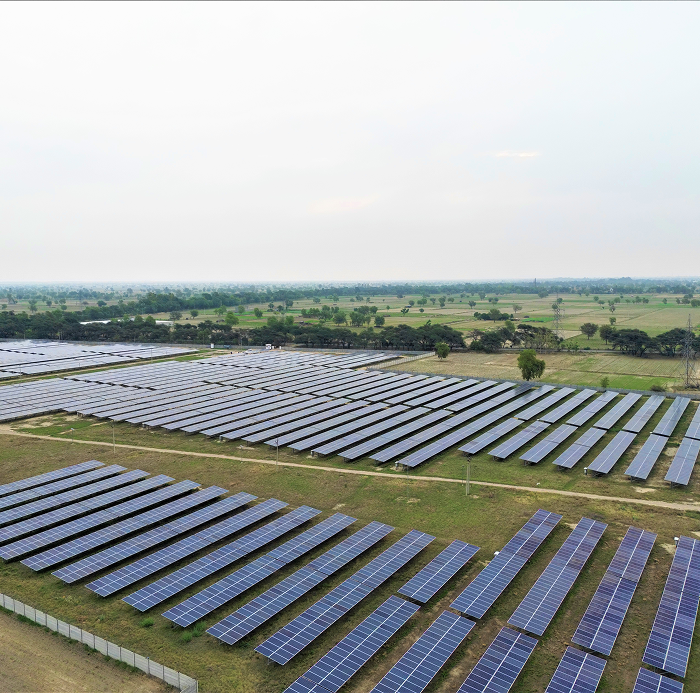
Beyond the Grid: Is Your Solar Energy is ready for the Future India
India is standing at the forefront of a clean energy revolution. RSK Solar Energy is no longer just an alternative source of electricity — it is becoming the backbone of the country’s future energy infrastructure. With rising electricity costs, growing environmental awareness, government incentives, and rapid technological advancements, rooftop solar systems are transforming homes, businesses, and industries across the nation.
But installing solar panels alone is no longer enough
The real question for homeowners, commercial property owners, and industries today is: Is your solar energy system ready for the future of India?
The future of solar energy is moving “beyond the grid” — toward intelligent, storage-enabled, digitally connected, and energy-independent systems. As India accelerates toward its renewable energy goals, future-ready Off-Grid Solar Systems will define the next era of sustainable living.
India’s solar market is growing at an extraordinary pace. Reports indicate that rooftop solar installations in India crossed record levels recently, driven heavily by residential demand and government initiatives such as the PM Surya Ghar Yojana.
India’s Solar Revolution Is Just Beginning : Solar Panels
India has already emerged as one of the world’s fastest-growing solar markets. The country continues to expand both utility-scale and rooftop solar infrastructure to reduce dependence on fossil fuels and achieve long-term energy security make use of Solar Panel
Industry forecasts suggest India could install over 42 GW of additional solar capacity in 2026 alone, with rooftop solar playing a major role in this expansion.
This rapid growth is being driven by several key factors:
• Rising electricity tariffs
• Government subsidies and incentives
• Improved solar panel efficiency
• Increasing awareness of sustainability
• Demand for energy independence
• Expansion of electric vehicle infrastructure
For homeowners and businesses, solar energy is no longer just about reducing monthly electricity bills. It is about building resilience, ensuring long-term savings, and preparing for a smarter energy future.
Beyond Traditional Solar Systems
In the past, most solar systems were simple on-grid setups. These systems generated electricity during the day and exported excess power to the utility grid through net metering.
While effective, traditional systems have limitations:
• They stop working during power outages
• They rely heavily on the grid
• They often lack energy storage
• They provide limited monitoring and control
Future-ready solar systems are fundamentally different.
Modern solar installations are evolving into complete energy ecosystems that combine:
• High-efficiency solar panels
• Smart inverters
• Battery storage systems
• Digital monitoring tools
• AI-driven energy management
• EV charging integration
Industry experts now describe rooftop solar as moving from “simple panel installations” to “complete energy systems” integrated with storage and smart infrastructure.
The Rise of Battery Storage
One of the biggest shifts in India’s solar landscape is the growing importance of battery storage.
Earlier, many Indian homeowners preferred on-grid systems without batteries because they were more affordable. However, the energy landscape is changing rapidly.
Today, battery backup systems offer major advantages:
• Backup power during outages
• Reduced dependence on DISCOMs
• Better energy utilization
• Protection against rising electricity costs
• Greater energy independence
As power demand increases and climate-related disruptions become more frequent, hybrid solar systems with battery storage are becoming essential rather than optional.
Many Indian homeowners are now specifically asking for “battery backup + solar” instead of conventional grid-tied systems.
Smart Solar Is the Future
The future of solar energy is digital.
Smart solar systems allow users to monitor and optimize energy generation and consumption in real time through mobile applications and cloud-based platforms.
Modern solar monitoring systems can:
• Track daily energy generation
• Detect faults automatically
• Analyze energy consumption patterns
• Predict maintenance requirements
• Improve system efficiency
This level of intelligence helps homeowners maximize return on investment while reducing downtime and maintenance costs.
Digital monitoring is especially important in India’s climate conditions, where dust accumulation, seasonal weather changes, and inconsistent maintenance can affect system performance over time.
According to industry observations, post-installation service and performance monitoring are becoming critical areas of focus in India’s rapidly growing rooftop solar market.
Solar + EV: India’s Next Big Energy Shift
Electric vehicles are rapidly becoming part of India’s transportation future. As EV adoption rises, the integration of solar power with EV charging infrastructure will become increasingly important.
A future-ready solar system should be capable of supporting:
• Home EV charging stations
• Higher electricity loads
• Smart charging management
• Expandable inverter capacity
The combination of solar energy and EV charging creates a highly efficient ecosystem where homes can generate, store, and consume their own clean energy.
This shift toward decentralized energy systems is expected to become a major driver of rooftop solar growth over the next decade.
Government Policies Are Accelerating Adoption
The Indian government continues to play a major role in promoting solar adoption through subsidies, policy reforms, and infrastructure investments.
Programs such as PM Surya Ghar are encouraging millions of households to adopt rooftop solar systems by making installations more affordable and accessible.
Several states are also actively supporting rooftop solar expansion through dedicated policies and subsidy schemes. Haryana, for example, has announced aggressive plans to expand rooftop solar installations and solarize government buildings by 2027.
Additionally, India is strengthening domestic solar manufacturing by promoting locally made solar modules and cells, helping build a more self-reliant renewable energy sector.
Choosing the Right Solar Partner Matters
As the solar industry grows, selecting the right solar installation partner becomes more important than ever.
A future-ready solar company should provide:
• Customized energy solutions
• High-quality solar panels and inverters
• Hybrid and battery-ready systems
• Smart monitoring technology
• Strong after-sales service
• Long-term maintenance support
• Assistance with subsidies and net metering
The quality of installation and post-installation support can significantly impact system performance over the next 20–25 years.
Many consumers across India have reported that while solar installations reduce electricity bills dramatically, poor maintenance and weak customer support remain common concerns.
Preparing for India’s Energy Future
India’s energy future is decentralized, digital, and sustainable.
The next generation of solar systems will not simply produce electricity — they will intelligently manage energy, support electric mobility, provide backup power, and create energy independence for millions of consumers.
The shift “beyond the grid” has already begun
For homeowners, businesses, and industries, investing in future-ready solar technology today means securing long-term savings, sustainability, and resilience tomorrow.
Is your solar energy system ready for the future India is building??
For advanced solar solutions, hybrid systems, rooftop installations, and future-ready renewable energy services.