
How Long Do Solar Panels Last in India?
Solar panel degradation, warranty terms and what "25 years" means in practice, and the assumptions our own estimates use.
Updated 20 May 2026
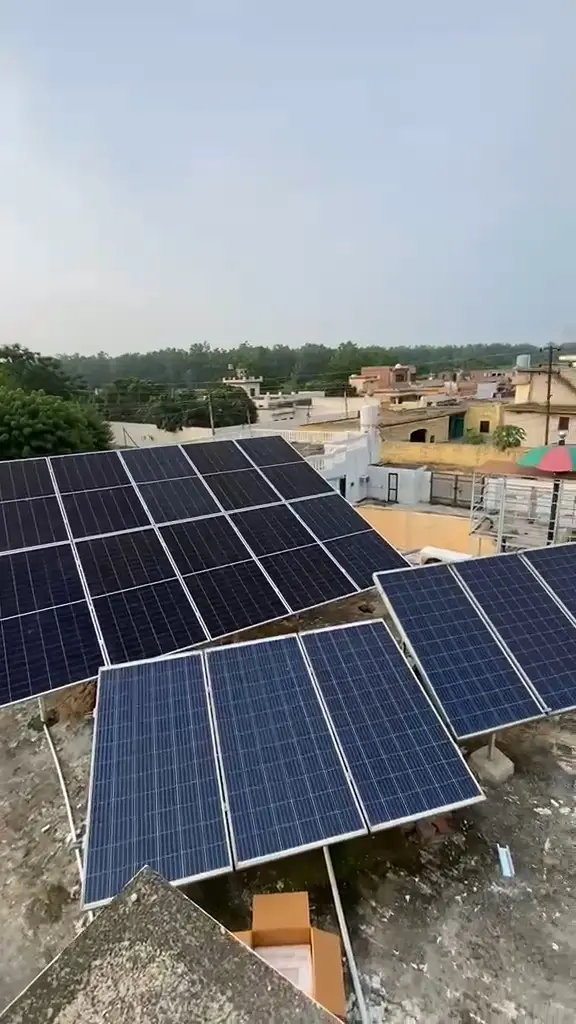
Nearly every solar panel sold in India comes with a “25-year warranty”, and few numbers in the industry are more often misunderstood.
What the 25-year warranty means
A 25-year performance warranty promises that the panel will still produce at least a stated share of its original rated output at that point, commonly 80 to 85% depending on the manufacturer. The panel doesn’t stop working the day after. Panels routinely keep generating useful power well past the warranty period, with output that goes on falling gradually.
Degradation is slow and steady
Output falls a little each year, with no sudden drop. A commonly used industry assumption is around 0.5% a year after a slightly bigger dip in the first year, although the exact figure varies by manufacturer and appears on each panel’s datasheet. This is a standard industry assumption, used when a manufacturer’s own figure isn’t available. It isn’t UTL-specific data, and we haven’t measured it for every panel we sell.
Why we show this assumption on every calculator result
A 25-year saving figure that hides its assumptions inside one big number is hard to trust. It looks impressive until someone asks what level of generation it assumes. Our calculator shows the degradation and tariff-escalation assumptions right next to the figure.
What really shortens a panel’s useful life
Physical damage, poor mounting that lets water or wind stress the frame, and dust left to build up between cleanings (see our Punjab maintenance guide) affect real output far more than the panel’s own slow degradation. A well-installed system that is looked after reasonably tends to stay close to its rated degradation curve for a very long time.
What this means for you
A panel bought today is a long-term asset. Twenty-five years is when its warranty is measured, and the slow loss of output is a known, modest factor that is already built into every estimate we give you.
Questions we are asked
Do solar panels stop working after 25 years?
No. 25 years is the point at which the performance warranty is measured: it promises the panel will still produce a stated share of its original output by then. Panels commonly keep generating useful power well beyond it, at a slightly lower output.
How much output do panels lose each year?
A commonly used industry assumption is around 0.5% a year, after a slightly larger drop in the first year. Our savings estimates use this figure and show it next to the result.
Does Punjab''s heat make panels degrade faster?
Heat affects how much a panel produces on the day, through its temperature coefficient (covered in our datasheet guide). Long-term degradation is a separate process. Both matter.