
How Many Units Does a 1 kW Solar System Produce a Day in Punjab?
About 4.5 units a day, or around 135 units a month per kW, averaged over the year in Punjab. More from March to June, less in winter fog. Estimates.
Updated 15 September 2026
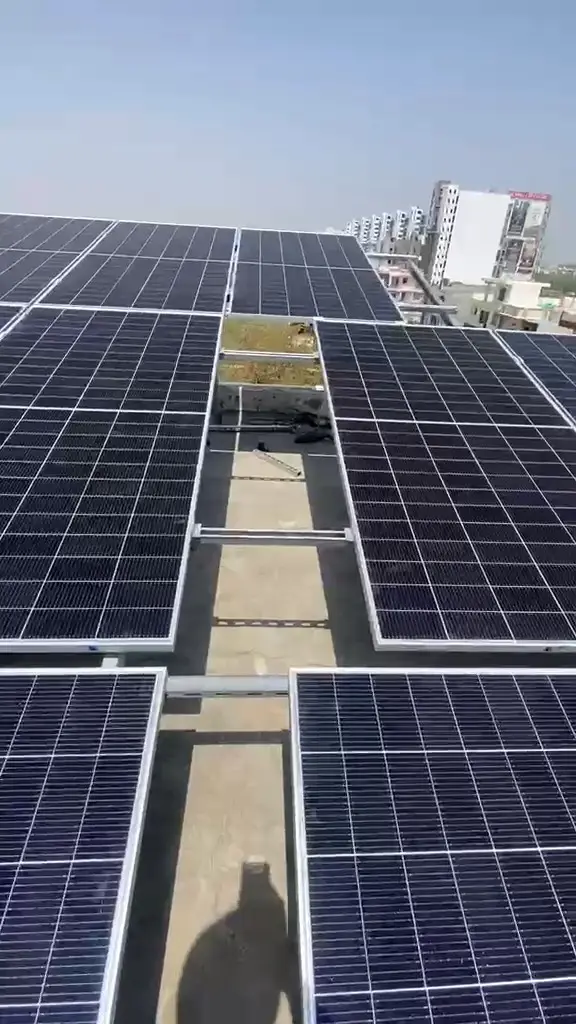
About 4.5 units a day, which is around 135 units a month from each kW of panels, averaged over the year. That is the figure our calculators plan with, from our own installations in Punjab. A 3 kW system makes about 405 units in an average month.
With TOPCon panels, output can reach up to about 180 units per kW in the sunniest months. These are estimates: real output depends on the roof’s direction and shade, dust, the weather and the panels and inverter used.| System | Standard panels | TOPCon, sunniest months |
|---|---|---|
| 1 kW | 135 | up to 180 |
| 2 kW | 270 | up to 360 |
| 3 kW | 405 | up to 540 |
| 5 kW | 675 | up to 900 |
| 10 kW | 1,350 | up to 1,800 |
Where the figure comes from
It comes from what our own systems make on Punjab roofs: about 4.5 units per kW a day across the year, or 135 a month. It is an average, so a sunny May makes more and a foggy January less, and a given roof can land above or below it.
Several things lower output on a real roof:
- Heat. Panels lose efficiency as they warm up, and a Punjab roof gets very hot in May and June.
- Dust. A film of dust cuts output noticeably, which is why panels here need regular cleaning.
- Shade. Even partial shade from a water tank or a neighbour’s wall drags down a whole string of panels.
- Direction and tilt. In Punjab, panels facing south at a sensible tilt produce the most.
- Wiring and inverter losses. A small share is always lost between the panels and your meter.
Summer, monsoon and winter fog
From March to June the days are longest and the sun strongest, so generation peaks, even though the heat trims some efficiency.
July to September is uneven. Monsoon cloud cuts some days sharply, while clear days between the rains still generate well.
December and January are the weakest months. The days are short, the sun sits low, and fog and smog settle over the plains. A thick foggy morning can produce almost nothing until the fog lifts, and a hazy week lowers output all day. The cold itself isn’t the problem, since panels actually work more efficiently when they are cool.
Because of that seasonal swing, we size home systems on your bills across the whole year, including your hottest two-month bill.
What this means for sizing
Divide the monthly units you want solar to cover by 135 to get the kilowatts needed. In Punjab the target is often less than your full use, because it is bringing net units under 300 a month that takes the bill to zero. How to size a home system walks through it step by step.
Questions we are asked
Do TOPCon panels make more units per kW?
Yes, mainly in heat. With TOPCon panels, output can reach up to about 180 units per kW in the sunniest months. Across the whole year the gain over mono PERC panels is smaller, so we still size systems on about 135 units per kW a month.
Do solar panels work on cloudy and foggy days?
Yes, but output drops a lot. Thick morning fog can hold generation close to zero until it lifts, and a heavily overcast day produces a small fraction of a sunny one.
How much roof space does 1 kW need?
About 100 sq ft of shade-free roof, which includes the gaps between panel rows for access and to avoid shading.